
8M The DNA of Life Zero Waste Water
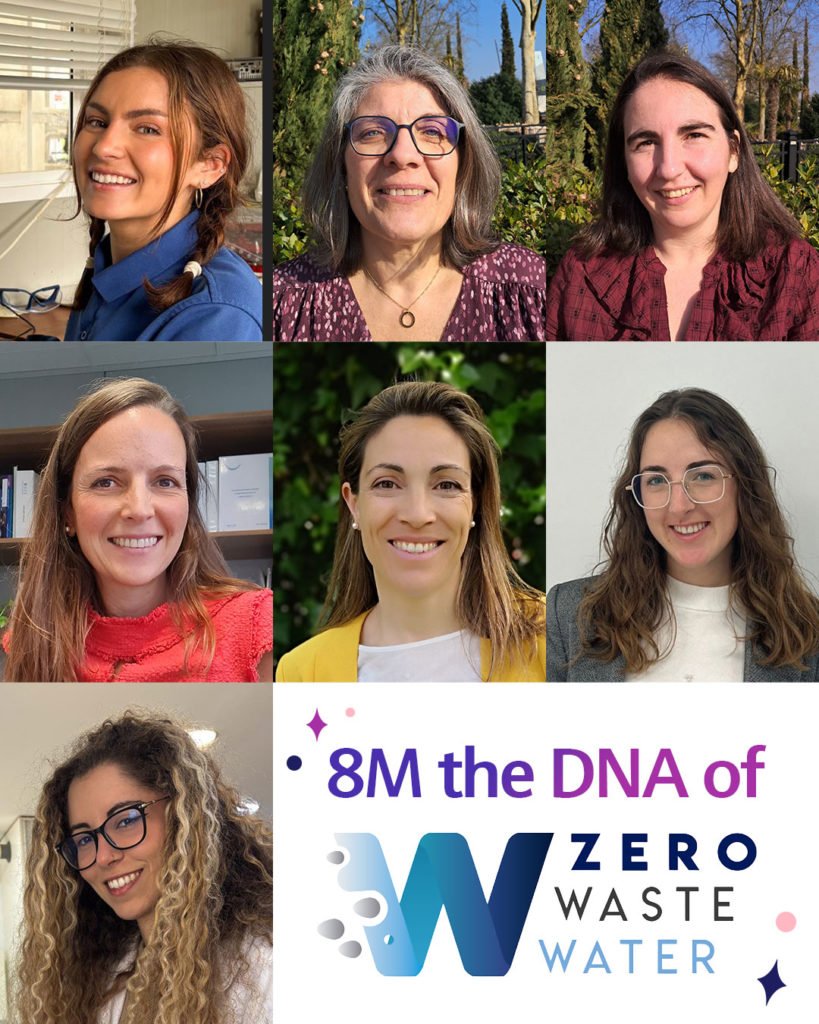
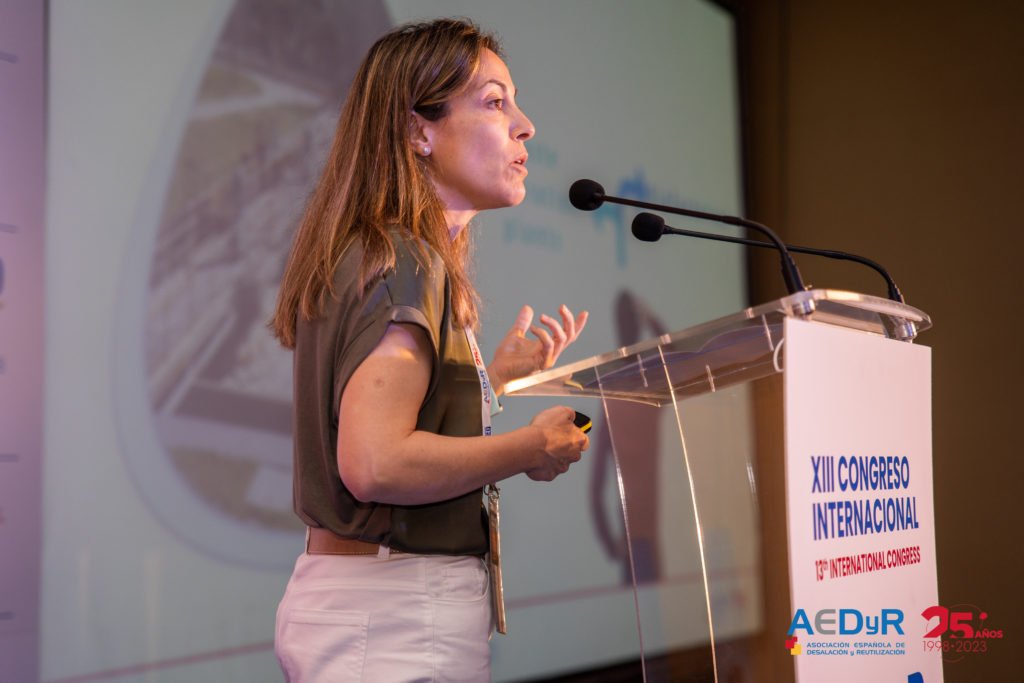
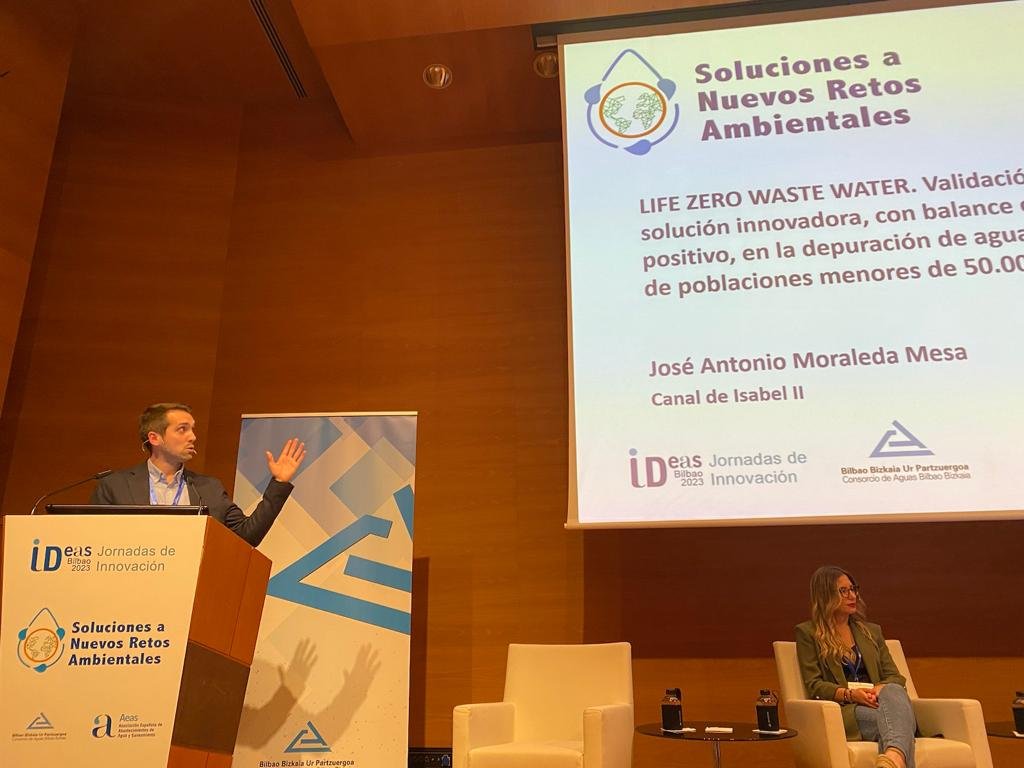
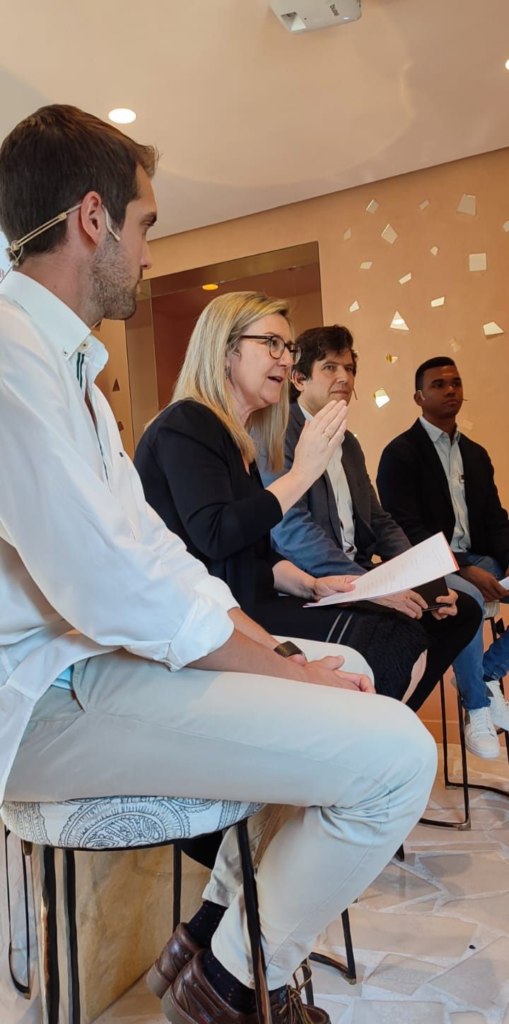
On International Women’s Day, we don’t only look back to honor the women who broke scientific barriers—such as Ellen Swallow Richards or Rita Colwell—but we also look next door, into our own laboratories. Behind every Life Zero Waste Water process, there is a woman leading innovation. Today, we connect the legacy of the pioneers with the talent of our researchers: the driving force moving water science forward.
| Year | Pioneer | Scientific Milestone | Relevance to Your Project |
|---|---|---|---|
| 1890 | Ellen Swallow Richards | Publishes the first systematic water quality study in Massachusetts. | She established the quality and analytical standards still used in laboratories today. |
| 1947 | Gerty Cori | Awarded the Nobel Prize for the Cori Cycle (sugar metabolism). | Fundamental for understanding anaerobic processes and how microorganisms obtain energy without oxygen. |
| 1970s | Rita Colwell | Discovers that pathogens (such as cholera) survive in water by attaching to plankton. | Revolutionized the detection of viruses and bacteria in environmental water samples. |
| 1980s | Abigail Salyers | Pioneer in anaerobic microbiology and gene transfer. | Her research enables today’s optimization of reactors where bacteria degrade contaminants. |
| 1995 | Dra. Mike Jetten (and Delft team) | Co‑discovers and describes Anammox bacteria. | The scientific foundation of your efficient nitrogen‑removal technology. |
| Today | Your Team | Applied innovation in the European project. | You are the latest link in this chain, transforming this legacy into solutions for 21st‑century Europe. |
Introduction: A Genealogy of Innovation
Science is not an isolated event—it is a relay race. Many of the cutting‑edge processes we develop today within this European project—from pathogen presence in water to the fascinating behavior of Anammox bacteria—are rooted in the ingenuity of women who challenged the limits of their time.
On International Women’s Day, we celebrate not only the history that brought us here, but also the talent shaping tomorrow in our laboratories.
The Thread That Connects Us
In the early 20th century, pioneers like Ellen Swallow Richards laid the foundations of what we now understand as water quality. Her vision turned concepts that once seemed utopian into the pillars of our current research. We don’t remember these women as static figures in textbooks, but as the initial spark behind the technologies we apply to every water sample we analyze.
Our Researchers: Science in Action
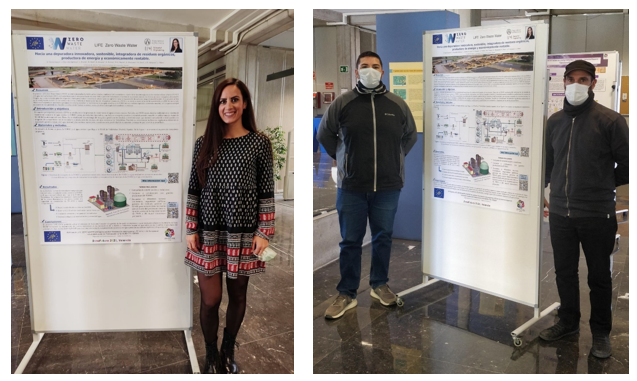
In the Life Zero Waste Water project, female leadership is a tangible reality. From technical coordination to fieldwork and data management, the women in our consortium are the ones transforming scientific heritage into real solutions for Europe’s environmental challenges.