2nd NEEMO Meeting

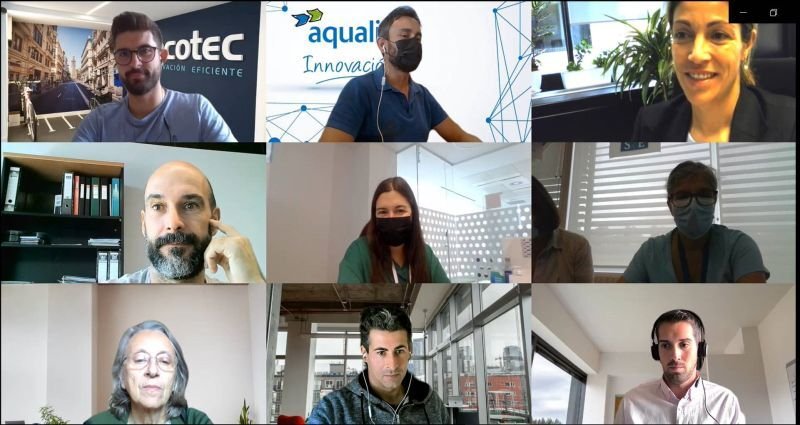
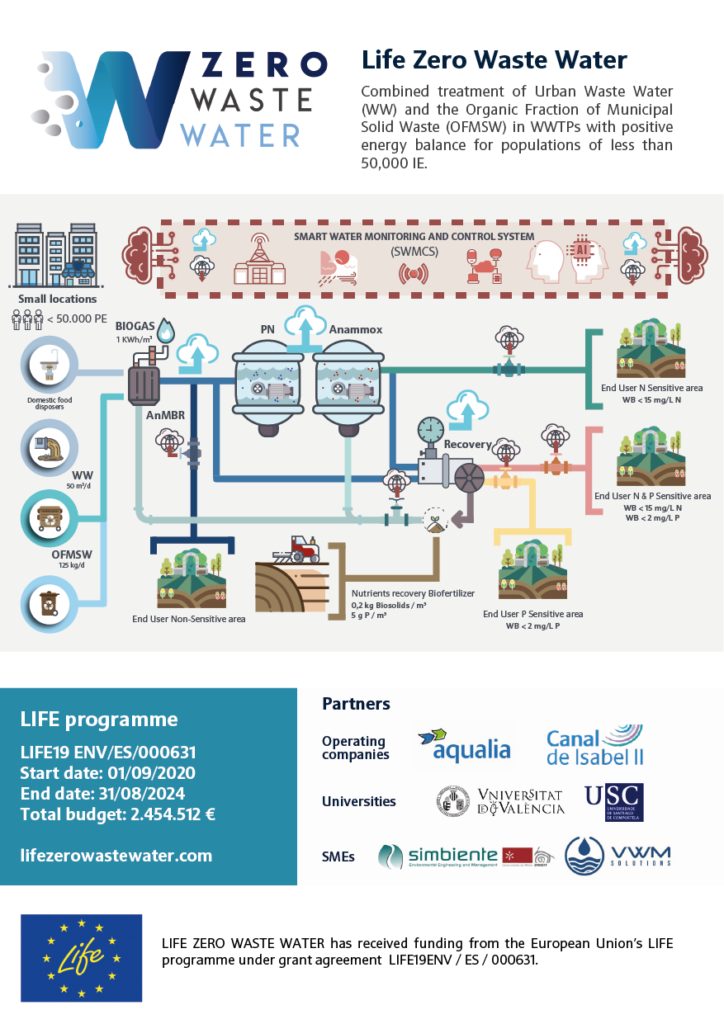
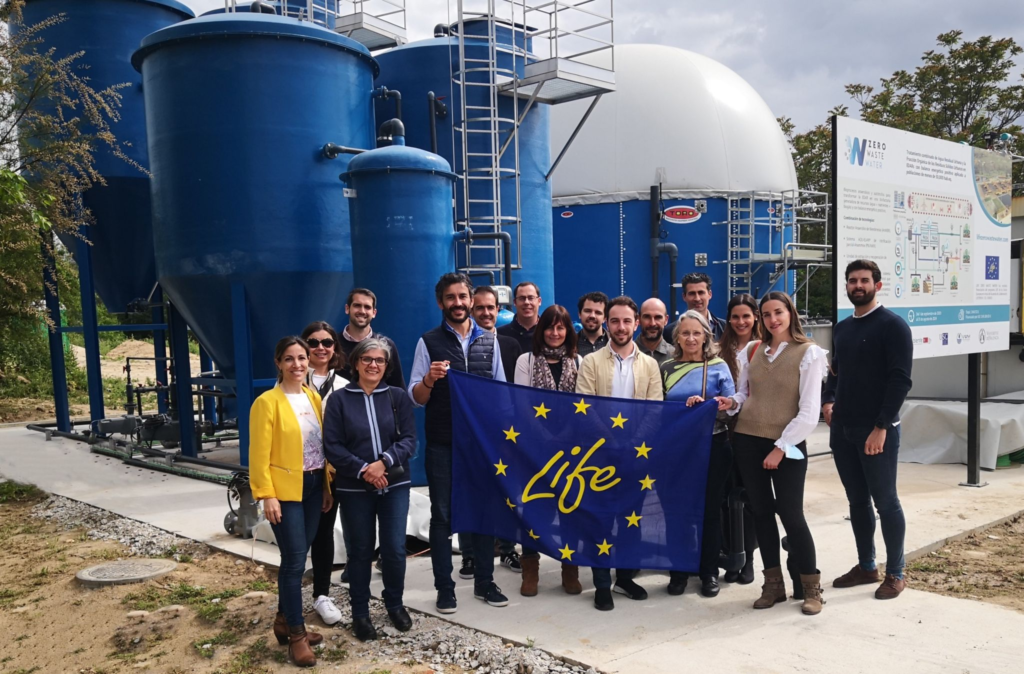
🗓𝗟𝗮𝘀𝘁 𝗪𝗲𝗱𝗻𝗲𝘀𝗱𝗮𝘆, 𝟰𝘁𝗵 𝗠𝗮𝘆🗓 a large part of the 💧♻LIFE ZERO WASTE WATER♻💧 consortium (AqualiaCanal de Isabel IIUniversitat de ValènciaUniversidade de Santiago de CompostelaSimbiente – Environmental Engineering and Management and INCOTEC – Innovación Eficiente) met at 𝘁𝗵𝗲 𝗩𝗮𝗹𝗱𝗲𝗯𝗲𝗯𝗮𝘀 𝗪𝗪𝗧𝗣 (𝗠𝗮𝗱𝗿𝗶𝗱) at the regular 📋𝗡𝗘𝗘𝗠𝗢 𝗺𝗲𝗲𝘁𝗶𝗻𝗴📋 led by Itxaso Mora.

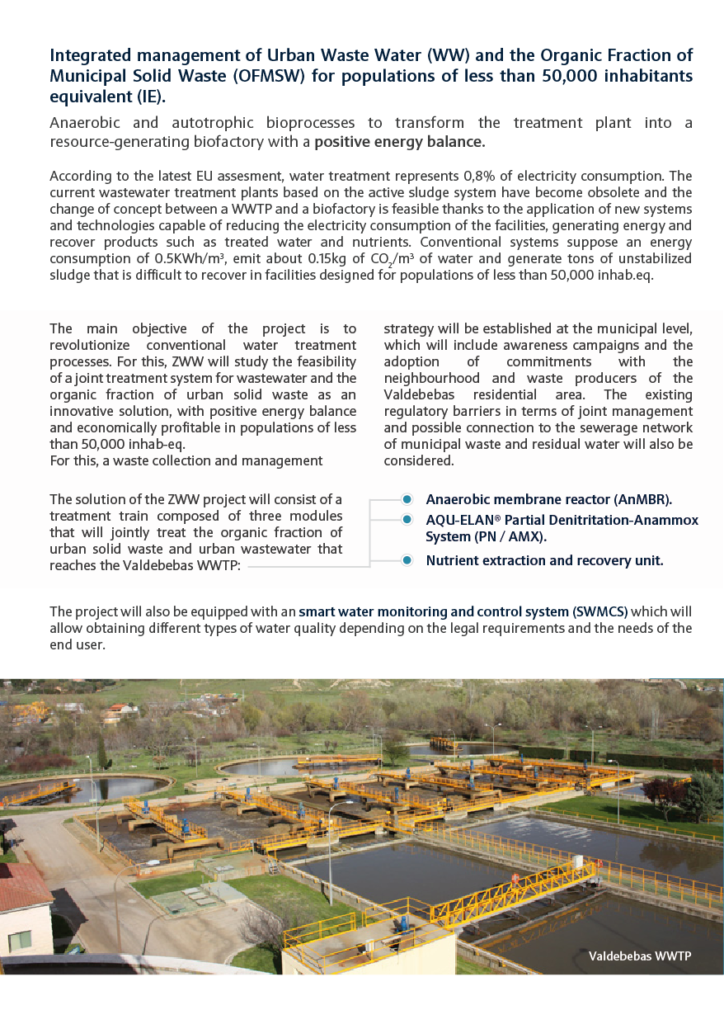
A follow-up of the 𝗱𝗲𝘃𝗲𝗹𝗼𝗽𝗺𝗲𝗻𝘁 𝗼𝗳 𝘁𝗵𝗲 𝘁𝗲𝗰𝗵𝗻𝗶𝗰𝗮𝗹 𝗮𝗻𝗱 𝗲𝗰𝗼𝗻𝗼𝗺𝗶𝗰 𝗽𝗮𝗿𝘁 𝗼𝗳 𝘁𝗵𝗲 𝗽𝗿𝗼𝗷𝗲𝗰𝘁 was carried out and later 𝘁𝗵𝗲 𝗱𝗲𝗺𝗼 𝘀𝗶𝘁𝗲 located in the WWTP was visited. Only a few 🔌electrical details🔌 are missing, but…𝘃𝗲𝗿𝘆 𝘀𝗼𝗼𝗻 𝘄𝗲 𝘄𝗶𝗹𝗹 𝗯𝗲 𝗮𝗯𝗹𝗲 𝘁𝗼 𝘀𝗲𝗲 𝗶𝘁 𝗶𝗻 𝗼𝗽𝗲𝗿𝗮𝘁𝗶𝗼𝗻!🙌🙌🙌

We are very happy to finally be able to meet face-to-face and share experiences and knowledge👏👏👏

Many thanks to Itxaso Mora for her good disposition at all times and to all the members of the fantastic team that has been formed as a result of this LIFE project: Jose Ramon Vazquez PadinAna Vicente BorregueroAntonio Mateos MuñozAurora SecoJosep RibesMiguel Roldán AlbaladejoCovadonga P-L GDavid Garcia ArrateSérgio AlmeidaMª Ángeles Val del RíoAnuska Mosquera CorralSergio Martínez ParadaWolfgang VoglLydia Sáez García#JesúsSánchezRubal and José Antonio Moraleda Mesa.
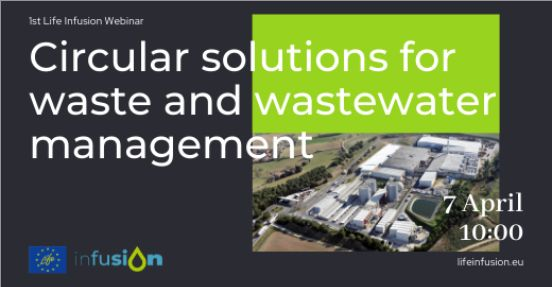
Online webinar “Circular solutions for waste and wastewater management”

Next Thursday 7th April will be held this online webinar entitled “Circular solutions for waste and wastewater management”, from 10:00 a.m. to 1:00 p.m.

They will start with the presentation of these 4 innovation projects co-financed by the LIFE Programme: LIFE BIOGASNET, LIFE Ecodigestión 2, Life Infusion and 👉♻💧LIFE ZERO WASTE WATER💧♻.

You can download the 📕agenda of the event📕 in the comments section💬.

Register for the webinar here:
https://lnkd.in/dNSiHnmr

#waste #wastewater #CircularEconomy #innovation #webinar #lifeproject

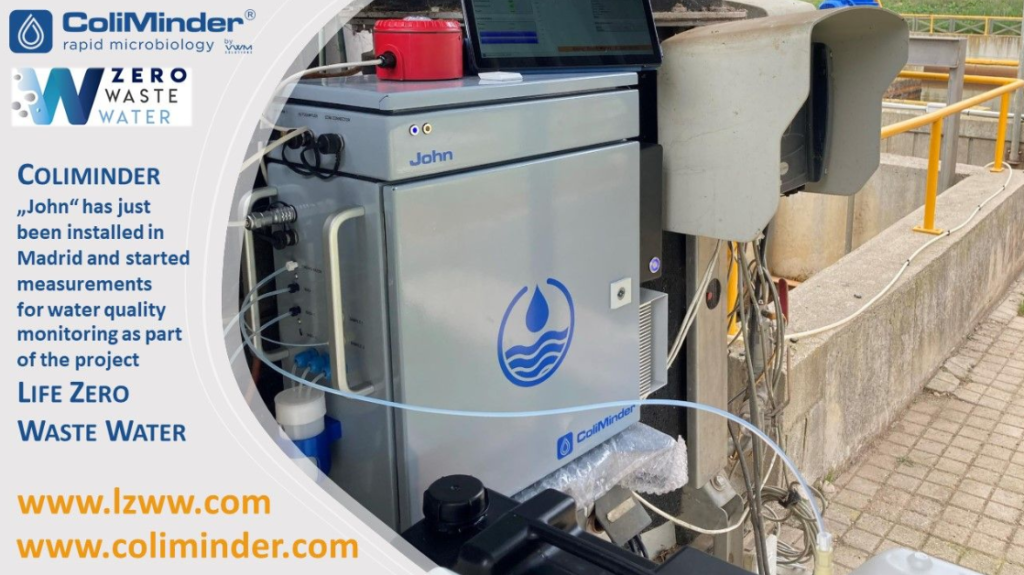
Coliminder “John”- Measurement System

The “John” Coliminder system from VWMs GmbH has just been installed in Madrid as part of the innovative LIFE ZERO WASTE WATER project to monitor E.Coli contamination levels.

#LZWWW #WaterQualityMonitoring #OnlineBacteriaMeasurementSystem

Survey to citizens

📢📢ATTENTION📢📢📢 In the 🌿💧LIFE ZERO WASTE WATER project💧🌿, we have carried out a 📋survey addressed to citizens📋 to find out how they manage organic waste in their homes and if they know alternatives to putting it in the rubbish bin, such as mixing this part of the waste with wastewater through grinders. I would be grateful if you could complete the survey. It should not take more than 4-5 min. THANK YOU!🙏🏼

♻️📋SURVEY LINK📋♻️ 

Performance of a two-stage partial nitritation-anammox system treating the supernatant of a sludge anaerobic digester pretreated by a thermal hydrolysis process

Abstract

A two-stage system (partial nitritation (PN) and anammox processes) was used to remove nitrogen from the dewatering liquor originating from the thermal hydrolysis/anaerobic digestion (THP/AD) of municipal WWTP sludge. Two strategies were tested to start up the PN reactor: 1) maintaining a fixed hydraulic retention time (HRT) and increasing the ammonium loading rate (ALR) by decreasing the feeding dilution ratio and 2) feeding undiluted dewatering liquor and gradually decreasing the HRT. With diluted feeding, the reactor performance had destabilization episodes that were statistically correlated with the application of high specific ammonium (> 0.6 g NH4+-N/(g TSS·d)) and organic (> 0.7 g COD/(g TSS·d)) loading rates. The second strategy allowed stable PN reactor operation while treating ALR up to 4.8 g NH4+-N/(L·d) and demonstrating that dilution of THP/AD effluents is not required. The operating conditions promoted the presence of free nitrous acid levels (> 0.14 mg HNO2-N/L) inside the PN reactor that inhibited the proliferation of nitrite oxidizing bacteria.

Batch activity tests showed that the inhibitory effects of organic compounds present in the THP/AD dewatering liquor on the ammonia oxidizing bacteria activity can be removed in the PN reactor. Thus, aerobic pretreatment would not be necessary when two-stage systems are used. The PN reactor effluent was successfully treated by an anammox reactor.

An economic analysis showed that using two-stage systems is advantageous for treating THP/AD dewatering liquor. The implementation of an aerobic pre-treatment unit is recommended for WWTPs capacities higher than 5·105 inhabitants equivalent when one-stage systems are used.

Para acceder al artículo completo, diríjase al siguiente link:

Innofuturo2021

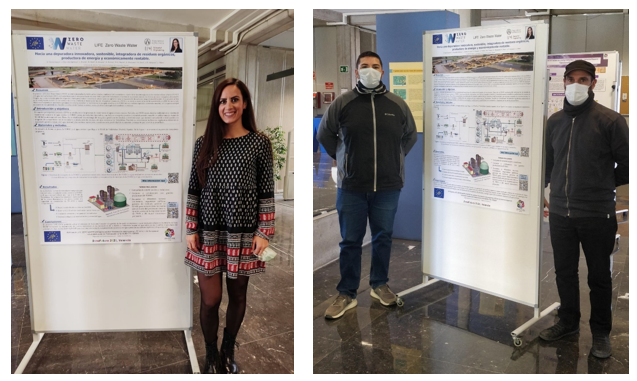
On behalf of our partner University of Valencia, Rebecca Serna García, presented a poster of the project at the #innofuturo2021 congress.

“NEXT GENERATION FUNDS: Opportunities in the water sector”

The University of Valencia has participated in the “Next Generation EU” conference, where it has been able to present the benefits of the LIFE ZERO WASTE WATER project.

2nd Monitoring Meeting

2nd Monitoring Project Meeting

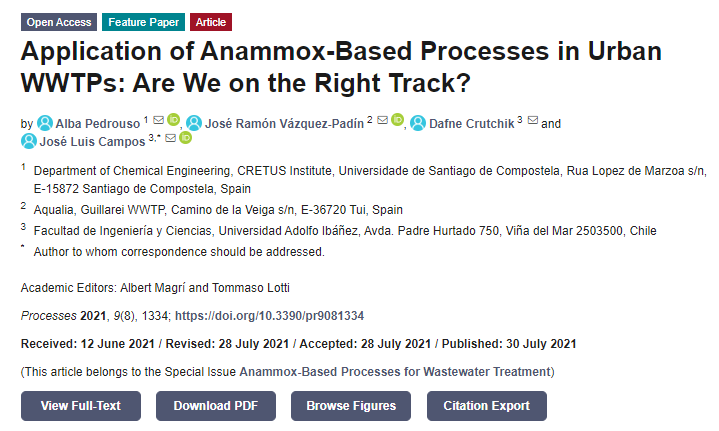
Application of Annamox-Based Processes in Urban WWTPs: Are We on the Right Track?

Abstract

The application of partial nitritation and anammox processes (PN/A) to remove nitrogen can improve the energy efficiency of wastewater treatment plants (WWTPs) as well as diminish their operational costs. However, there are still several limitations that are preventing the widespread application of PN/A processes in urban WWTPs such as: (a) the loss of performance stability of the PN/A units operated at the sludge line, when the sludge is thermally pretreated to increase biogas production; (b) the proliferation of nitrite-oxidizing bacteria (NOB) in the mainstream; and (c) the maintenance of a suitable effluent quality in the mainstream. In this work, different operational strategies to overcome these limitations were modelled and analyzed. In WWTPs whose sludge is thermically hydrolyzed, the implementation of an anerobic treatment before the PN/A unit is the best alternative, from an economic point of view, to maintain the stable performance of this unit. In order to apply the PN/A process in the mainstream, the growth of ammonia-oxidizing bacteria (AOB) should be promoted in the sludge line by supplying extra sludge to the anaerobic digesters. The AOB generated would be applied to the water line to partially oxidize ammonia, and the anammox process would then be carried out. Excess nitrate generated by anammox bacteria and/or NOB can be removed by recycling a fraction of the WWTP effluent to the biological reactor to promote its denitrification.

If you want to access the full article, go to the following link:

Disclaimer

The opinion stated on this website reflects the opinion of the authors and not the opinion of the European Commission. The Agency is not responsible for any use that may be made of the information it contains.